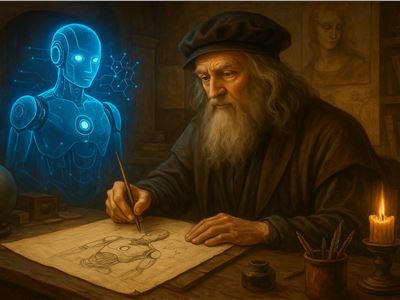
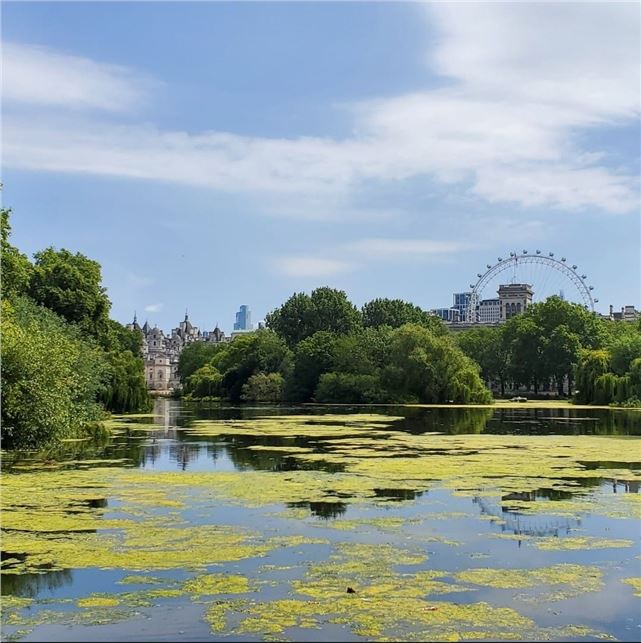
In the bustling streets of London's Notting Hill, where over two million revelers gather each year for the carnival, you can feel the pulse of a new era. It's not the painted masks or steel drums alone—it's the smartphones capturing every moment, live-streaming to audiences across the globe. This fusion of tradition and tech isn't just a party; it's a snapshot of what's being called the modern renaissance in culture. Far from the dusty canvases of Michelangelo or da Vinci's sketches, today's rebirth is powered by algorithms, virtual realities, and global connectivity, breathing fresh life into how we create, share, and experience the human story.
Think about it: culture has always been about connection, but in 2026, it's exploding in ways our ancestors couldn't imagine. Take social media platforms like TikTok or Instagram, where a single dance trend from a teenager in Bucaramanga, Colombia, can inspire millions overnight. According to a recent Pew Research study, over 70% of young adults worldwide now discover new music, art, or traditions through these apps, blending local flavors into a global mosaic. It's like the old spice routes, but digital—spreading ideas faster than any ship ever could. This isn't just consumption; it's co-creation. Users remix Afrobeat with K-pop, or fuse street art from Santander with AI-generated visuals, birthing hybrid cultures that defy borders.
At the heart of this cultural revival is artificial intelligence, acting as the ultimate muse. Tools like DALL-E or Midjourney let anyone turn a fleeting thought into stunning visuals. Remember Jane Fonda's candid chat about wellness? In today's world, her story inspires AI-driven health apps that personalize yoga routines infused with cultural rituals from around the world. A report from UNESCO highlights how AI is preserving endangered languages, with apps translating Nepali folklore into interactive stories for kids in urban hubs. It's humanizing tech: instead of replacing artists, it's amplifying them. For instance, musicians like those in Elvis Presley's era—think "Funny How Time Slips Away"—now have heirs using AI to collaborate posthumously, creating tracks that mix vintage soul with modern synths. This isn't gimmicky; it's a bridge between generations, keeping cultural flames alive.
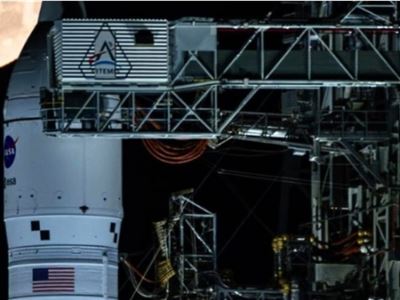
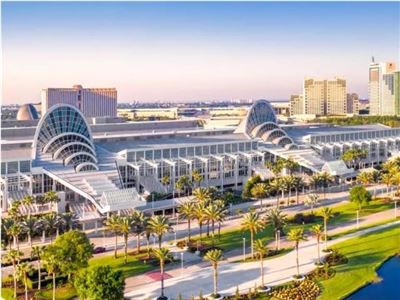
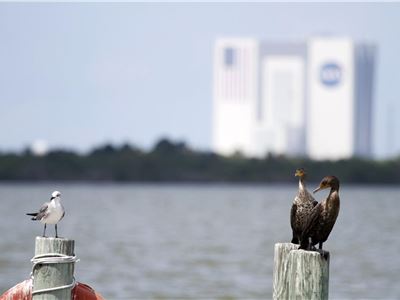
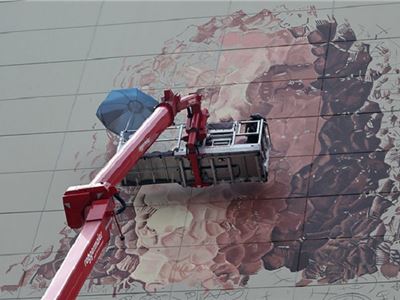
But let's zoom in on real-world impacts. In places like Orlando's Space Coast, where SpaceCom 2026 just wrapped up, culture meets innovation head-on. Attendees didn't just talk rockets; they explored how space exploration inspires art. NASA's Artemis program, delayed but undeterred, fuels festivals where engineers and poets collaborate on murals depicting cosmic dreams. Of course, this modern time isn't without its shadows. Privacy concerns loom large, as seen in cybersecurity debates on platforms like Cybereport. A misfiring algorithm could distort cultural narratives, much like how obese individuals might misread hunger signals due to hormonal glitches, per health studies. Yet, the upside is immense: inclusivity. Women in tech, like those leading dental megatrends at IDS Cologne, are reshaping beauty standards with AI-enhanced esthetics, drawing from diverse cultural ideals.
In essence, this cultural renaissance is deeply human. It's about reclaiming creativity in a fast-paced world. From a three-year-old Kumari in Kathmandu symbolizing divine tradition to jubilant crowds in Bethlehem's Manger Square post-conflict, culture thrives when we blend the old with the bold. As Professor Francisco Diego might explain the physics of stars, so too can we grasp the mechanics of this revival: energy in motion. With over 4.9 billion internet users worldwide, per World Bank data, we're all participants. So, next time you scroll through a feed or join a virtual festival, remember—you're part of the renaissance. It's not in museums; it's in your hands, evolving every day.
- Tags:
- Categories: culture y renaissance